Cenotes · Tulum
Gran Cenote, Casa Cenote and Zemway: three cenotes minutes from Tulum
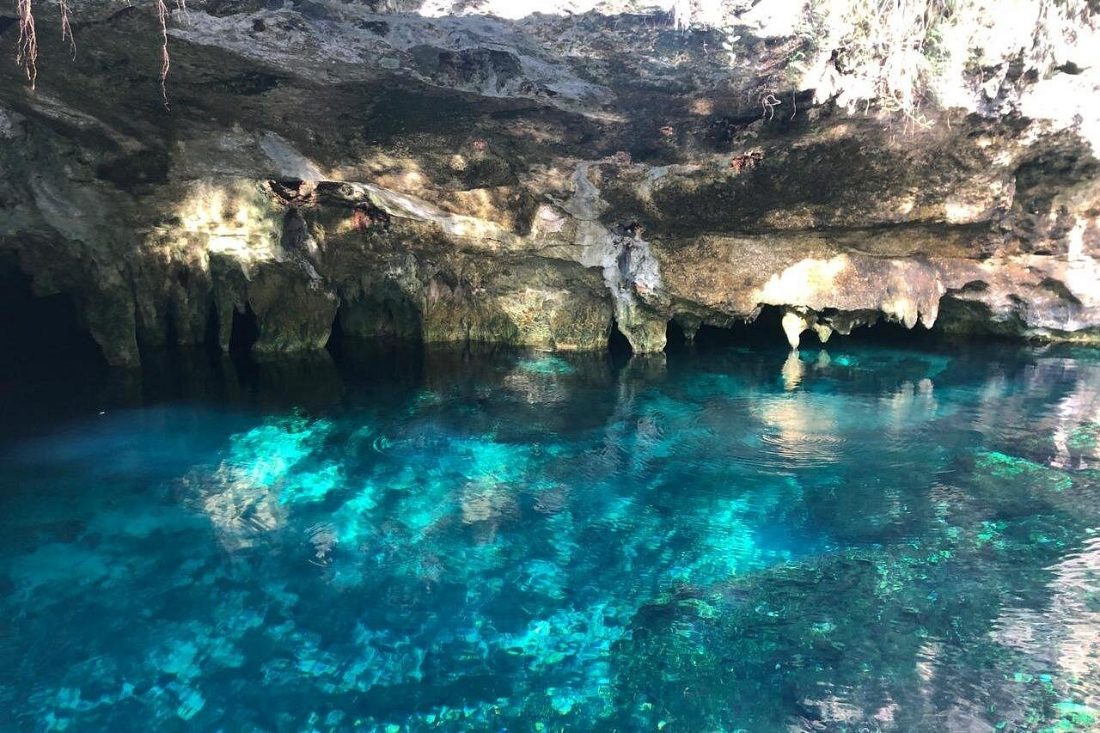


Three cenotes within minutes of Tulum, each a different type: half-open cavern, mangrove channel and open pool.
- The activity
- Three cenotes of three different types within a short drive of Tulum. Gran Cenote is a half-collapsed cavern of linked pools, Casa Cenote is an open mangrove channel running towards the sea, and Zemway is an open pool with jumping platforms.
- Location
- Gran Cenote sits about 4 km from central Tulum on the Cobá road, open from 8am with last entry around 4.15pm. Casa Cenote is roughly 10 km north, off Highway 307 at Tankah. Zemway lies inland of the same stretch.
- Duration
- Allow an hour to ninety minutes at Gran Cenote itself. A combined visit taking in Casa Cenote and Zemway fills most of a day.
- Best time to arrive
- At the 8am opening. The water is clearest before the tour vans arrive, and the turtles in the open section are most active early.
- Admission cost
- Gran Cenote is 500 pesos, about $25, cash only, and the fee includes a life jacket and snorkelling equipment. Lockers are roughly 30 to 50 pesos extra. Casa Cenote and Zemway charge their own gate fees separately.
- Which to choose
- Gran Cenote for formations and clarity, Casa Cenote for open water and the halocline where fresh meets salt, Zemway for jumping.
- Rules
- Life jackets are required at all three and conventional sunscreen is prohibited. A rinse before entry is usual.
- How it is usually sold
- Rarely one cenote at a time. The standard format is a half-day tour of three, Zemway, Gran Cenote and Casa Cenote, with transport, guiding and snorkelling equipment included, which is also cheaper than three separate gate fees plus taxis.
What to expect
Gran Cenote is the main stop and the one the tours are built around. Two connected pools sit under a half-collapsed cavern roof, joined by a passage you can swim through, with stalactites reaching to the surface and bats overhead. Small turtles live in the open section, the water is fresh and cold, and the entry fee includes a life jacket and snorkelling equipment.
Casa Cenote is the counterpoint: an open mangrove channel at Tankah running towards the sea rather than an enclosed cavern. It is shallow, sheltered and clear, with a visible boundary where fresh water meets salt, and it suits a relaxed float far more than a swim.
Zemway is the quietest of the three, inland of the same stretch of coast and far less visited than either. It charges its own gate fee and is the one where you are most likely to have the water largely to yourself.
What the three add up to. Taken together you get a cavern, a mangrove channel and a quiet inland cenote, which is a more complete picture of the system than any single site gives. Each charges separately, so budget in pesos and in cash.
The honest takeaway
The cenotes themselves draw consistent praise. The points worth planning around are crowding at Gran Cenote and how little time an organised tour allows at each stop.
What visitors praise
- Gran Cenote's clarity. Reviewers who have swum elsewhere in the region routinely rate the water here at the top.
- Three genuinely different cenotes. Cavern, mangrove channel and open pool in one morning, which no single site offers.
- Casa Cenote suits everyone. Shallow, calm and open, and the halocline is a real curiosity rather than a marketing line.
- Close to town. All three are reachable from central Tulum without a long drive.
What visitors find difficult
- Gran Cenote is crowded. Arriving after mid-morning means queues on the walkways and little space in the water.
- Three separate entry fees. Visiting independently means paying cash three times.
- Tours can feel rushed. An hour per cenote is common, and reviewers say it is not enough at Gran Cenote.
- Crocodiles at Casa Cenote. A resident crocodile is well known there, and guides manage it, but visitors who were not told in advance find it alarming.
Drawn from the recurring themes in public visitor reviews of the activity and the tours that reach it. We do not reproduce individual reviews or aggregate scores; for current ratings, check Viator or another booking platform directly.
Getting there
Gran Cenote is 4 km from Tulum on the Cobá road, reachable by taxi, bicycle or colectivo, with parking at the gate. Casa Cenote is about 10 km north off Highway 307 at Tankah, which needs a car or taxi. Zemway is inland of the same stretch.
Visiting independently gives you the time that guided tours compress, particularly at Gran Cenote, where arriving at opening is the difference between an empty cavern and a queue.
How to make the most of the day
- 1Be at Gran Cenote for opening. It is the single change that most improves the day.
- 2Bring cash in pesos for each gate. None of the three takes cards reliably and there are no machines nearby.
- 3Snorkel at Gran Cenote, swim at Casa Cenote. The formations reward a mask; the mangrove channel rewards floating.
- 4Ask about the crocodile at Casa Cenote. It is a normal part of the site and guides know where it rests.
- 5Apply no sunscreen beforehand. It is prohibited at all three and a rinse is usually required.
Why these three are so different
All three are windows onto the same underground river system, but at different stages of collapse. Gran Cenote's roof has partly fallen, which is why it has both cavern and daylight. Casa Cenote's has gone entirely and the channel now runs at surface level through mangrove. Zemway is fully open. The sequence is, in effect, the life cycle of a cenote laid out within a few kilometres.
Casa Cenote also shows the coastal hydrology at its clearest. Fresh water from the aquifer floats on denser seawater pushing inland, and the boundary between them is visible underwater as a shimmering layer. It is the same mixing that feeds the reef offshore.
For the Maya these openings were the peninsula's only reliable water source, which is why settlement across the region maps so closely onto them. Tulum's position, with cenotes inland and a harbour below the cliffs, was not accidental.
Related guides
- Cenote Suytun and the Valladolid cenotes: the light beam, and the two beside it Cenotes · Valladolid
Some links to tours and activities are affiliate links. If you book through them, Sargazo Watch may earn a small commission at no extra cost to you.