Cenotes · Valladolid
Cenote Suytun and the Valladolid cenotes: the light beam, and the two beside it
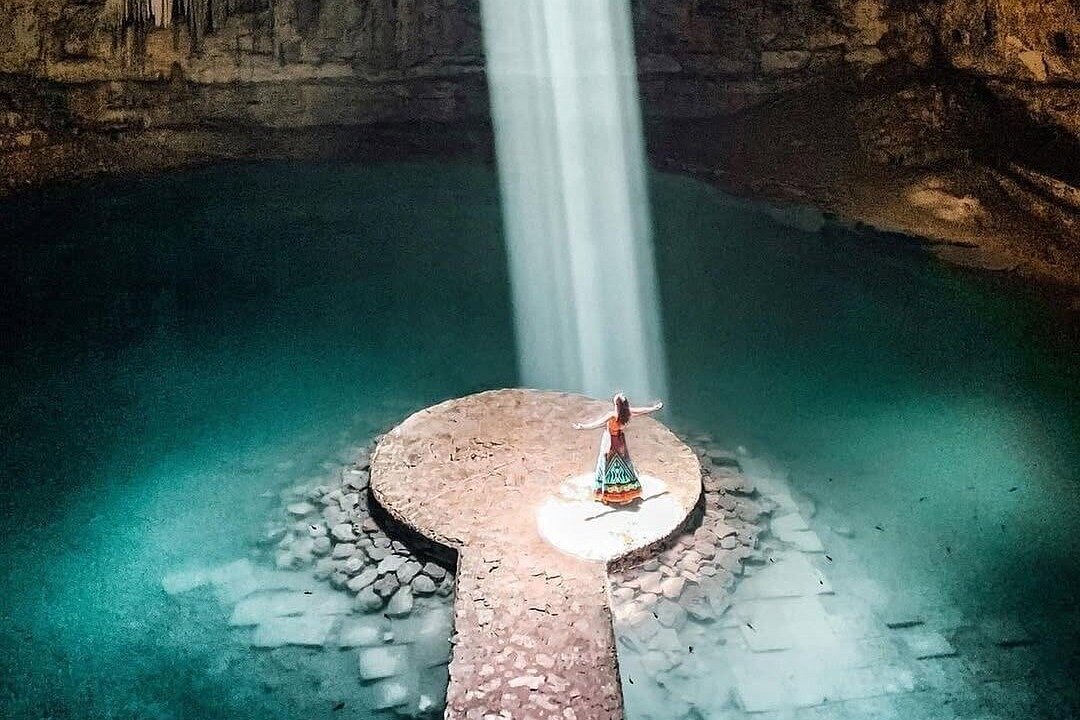
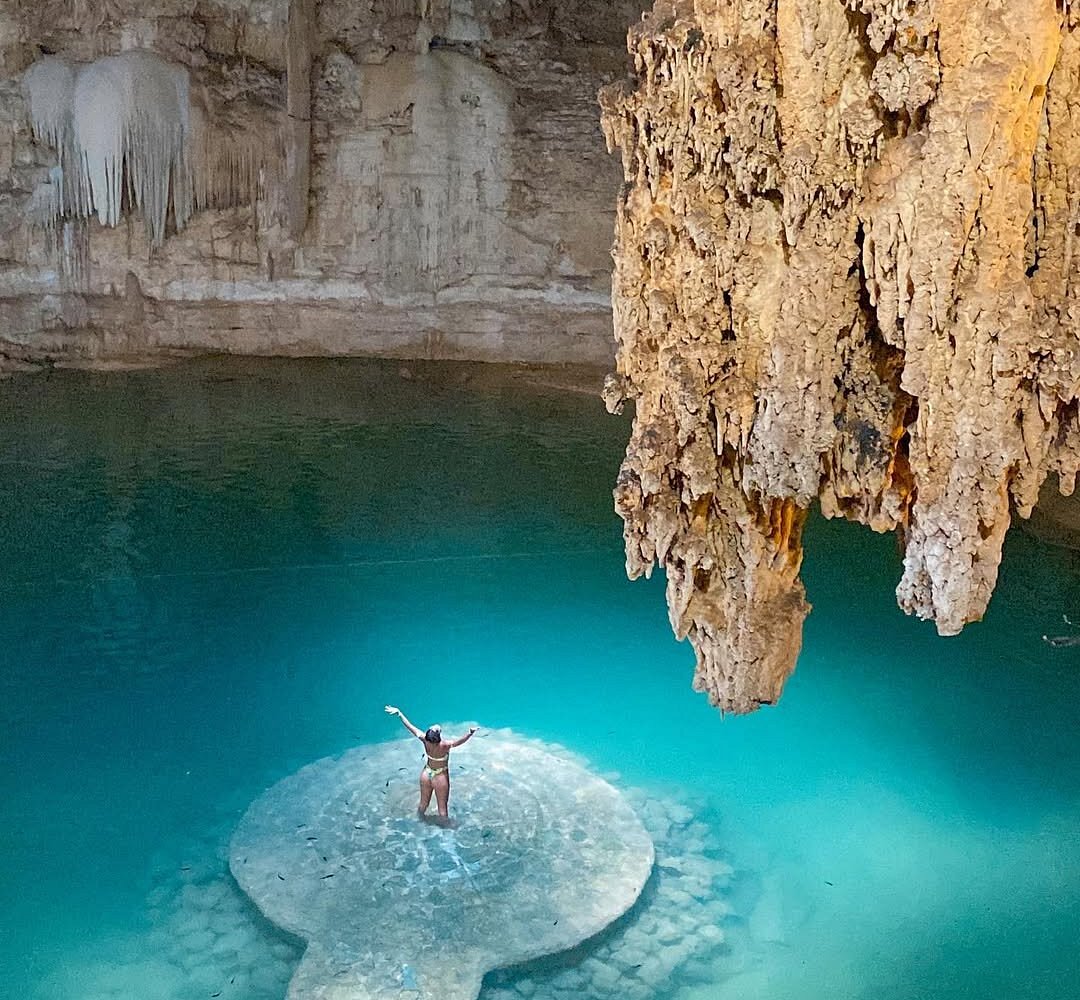
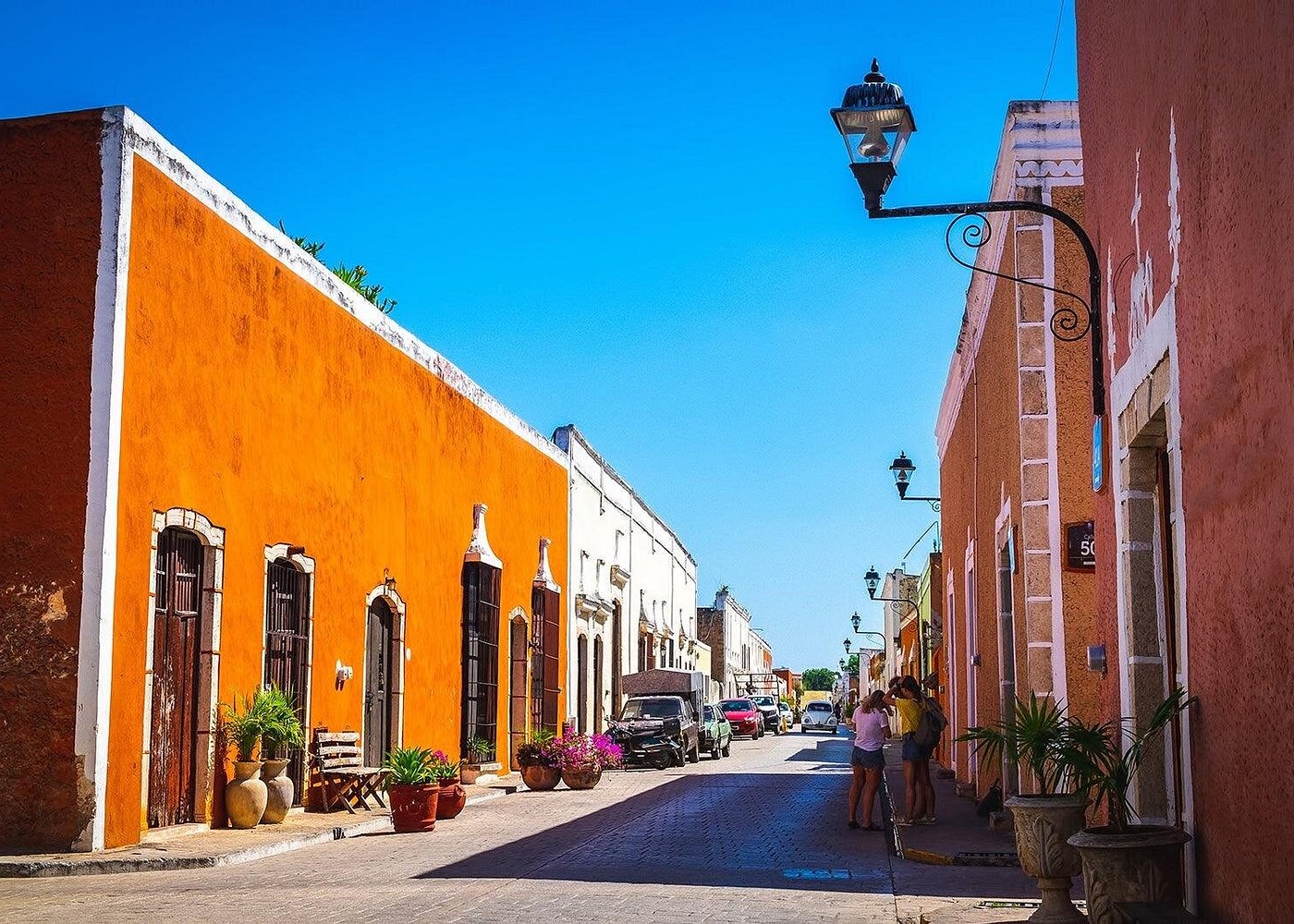

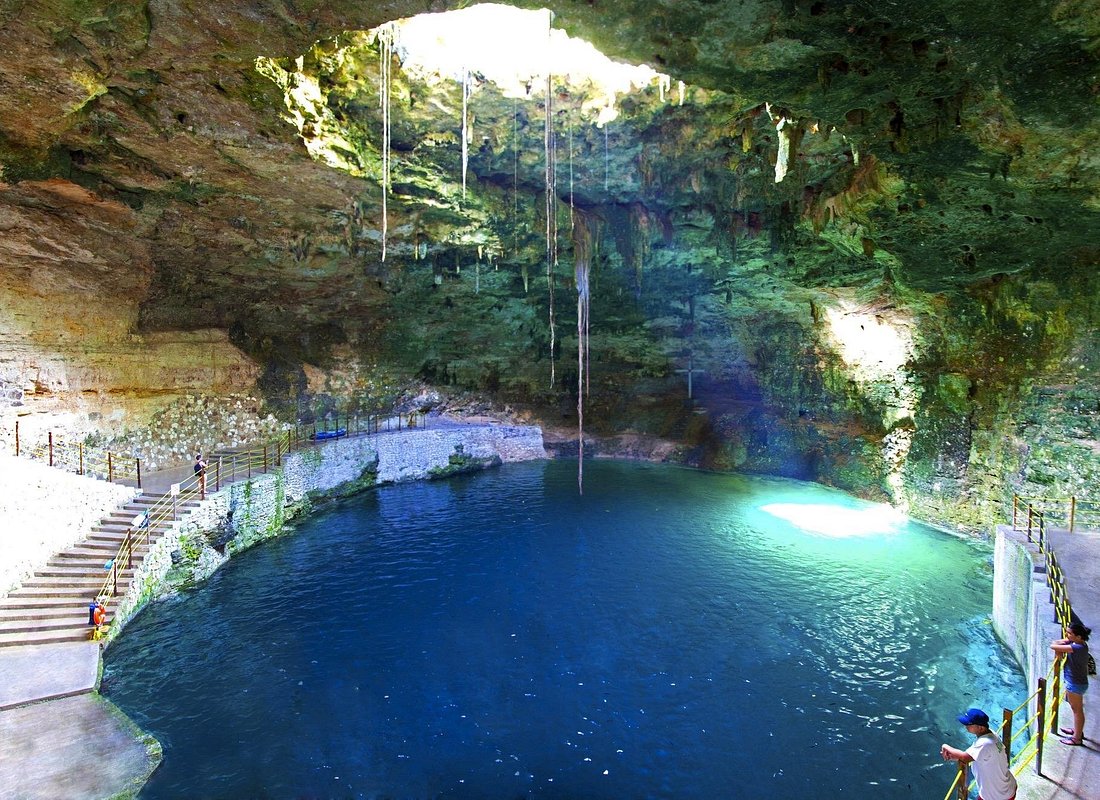
Suytun's roof opening throws a single beam onto a circular stone platform, the most photographed sight in the Yucatán interior.
- The activity
- A closed cavern cenote on a ranch outside Valladolid, known for the circular stone platform under an opening in its roof. Around midday a single shaft of light lands on the platform, which is why the cenote is famous.
- Location
- Just outside Valladolid in Yucatán state, about two hours from Cancún and roughly 40 minutes from Chichén Itzá. Tours meet at Parque Principal Francisco Cantón Rosado, the town's main square.
- Duration
- A full day from the coast, typically nine to eleven hours including the drive, covering Chichén Itzá, Suytun, a second cenote and time in Valladolid.
- Best time to arrive
- Around midday at Suytun. The light beam depends on a high sun, so an itinerary that reaches the cenote in the middle of the day is what you want.
- Admission cost
- $93 per person for the day tour, covering transport, guiding, cenote entries and lunch. Gate fees at the smaller cenotes and any extras are payable in pesos.
- The beam
- It is a midday phenomenon and it depends on sunshine, the season and the sun's angle. Arriving early or late, or on an overcast day, means the platform without the light.
- Rules
- Life jackets are required in the water and sunscreen is not permitted. The platform is stone and wet, so footing matters more than it looks.
What to expect
Suytun is a cave rather than a swimming hole. You descend into a closed chamber where a circular stone platform reaches out over still, shallow water, and around midday a single shaft of light falls through the opening in the roof directly onto it. It is one of the most photographed places in the Yucatán, and knowing that in advance is what makes the visit work: there is a queue for the platform, and the reward is a few seconds in the light.
The second cenote on the standard itinerary is the counterweight, open or semi-open, warmer and made for swimming rather than photographs. Between the two you get both kinds of cenote in one day, which is the argument for the combined tour.
Chichén Itzá occupies the first part of the day, with a guide through the main plazas: El Castillo, the Great Ball Court and the Sacred Cenote. It is the largest excavated Maya city in the northern Yucatán and the reason most of these itineraries exist.
Valladolid closes the day, a colonial town of painted facades and a sixteenth-century convent, with time for lunch and a walk before the drive back to the coast.
The honest takeaway
The light beam earns its reputation. The criticisms are about time on site and the queue rather than the cenote.
What visitors praise
- The beam is genuinely striking. Photographs do not oversell it; the scale of the chamber is the part they miss.
- Three cenotes in one morning. Open, cavern and turquoise pool in a single trip, which no one site delivers.
- Well organised. Transport, entries and a guide handled, which matters when the sites are spread around Valladolid.
- Valladolid itself is worth the trip. Reviewers consistently rate the town above the resort corridor for atmosphere and food.
What visitors find difficult
- You may get an hour, and queue for half of it. Time at Suytun is short, and the queue for the platform takes a good part of it.
- The beam is not guaranteed. Cloud, season or the wrong hour and you get a beautiful cave without the light.
- It is busy and photo-driven. Anyone hoping for solitude in a cenote should choose an open one on the Ruta de los Cenotes instead.
- Far from the coast. Two hours each way from Cancún, so this is a day, not an afternoon.
Drawn from the recurring themes in public visitor reviews of the activity and the tours that reach it. We do not reproduce individual reviews or aggregate scores; for current ratings, check Viator or another booking platform directly.
Getting there
From the Riviera Maya, Suytun makes most sense either as part of a Chichén Itzá day or as a reason to stay a night in Valladolid. The ruins are 40 minutes west of the town, so a night there converts two long drives into one, and puts you at both sites early.
Driving yourself, Suytun is signposted a few kilometres outside Valladolid and entry is paid at the gate. If you want the beam, aim for the middle of the day rather than the start of it, which is the reverse of the usual advice for cenotes.
How to make the most of the day
- 1Choose an itinerary that reaches Suytun around midday. The beam needs a high sun. Early arrival gets you the cave without the light.
- 2Decide what you came for. If it is the photograph, join the queue straight away; if it is a swim, go in first and shoot later.
- 3Bring pesos. Gate entries and the smaller cenotes are cash, and there is no machine on site.
- 4Take water shoes. The causeway and platform are wet stone, so grip matters more than you would expect.
- 5Stay in Valladolid if you can. It turns a five-hour round trip into a short morning and pairs naturally with Chichén Itzá.
Why Valladolid has so many
Valladolid sits on the same limestone shelf as the rest of the peninsula, and the town is ringed by cenotes because it sits near the inner edge of the Chicxulub impact crater, where the rock fractured most heavily. That fracture ring concentrates sinkholes in an arc across northern Yucatán, which is why three good cenotes are within half an hour of one square.
Suytun's chamber is a collapsed cave rather than an open sinkhole, which is what produces the roof opening and the beam. The platform is modern, built for access, but the causeway follows the shape of the chamber floor.
For the Maya these were the region's water supply and its entrances to the underworld, and the archaeology bears that out at Chichén Itzá's Sacred Cenote 40 minutes away, where dredging recovered offerings and human remains. The cenotes around Valladolid were working wells rather than ritual sites, which is why they sit beside ranches and villages rather than temples.
Related guides
Some links to tours and activities are affiliate links. If you book through them, Sargazo Watch may earn a small commission at no extra cost to you.