Sargassum may settle on a beach for a few days before clearing again, but it never takes away everything this region has to offer. There is far more to the Yucatán Peninsula than its white sand and clear water. Within a couple of hours of Cancún you can snorkel a freshwater cenote, sail to a sheltered island, walk through a Maya nature park, or wander a colonial city. This guide gathers the best of it in one place, so a heavy sargassum day becomes an opportunity to discover new places rather than a disappointment.
Each destination described below has a dedicated guide covering what to expect, the practicalities of reaching it, an indicative price and an honest account of its strengths and drawbacks. They are collected on our things to do page.
Use the live beach map and the forecast to see how the beach conditions are today, or explore the ideas below.
A day trip to Isla Mujeres
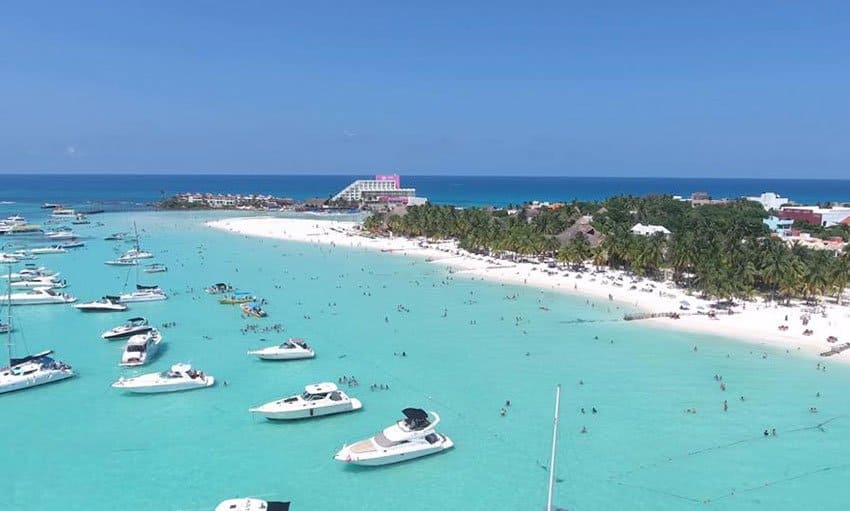
Just a short ferry ride from Cancún, Isla Mujeres is a small island whose sheltered western shore is one of the most reliable beaches if you're looking for the iconic turquoise waters of the Mexican Caribbean. The whole island is only about seven kilometres long, so it is easy to see in a single day.
Playa Norte
Playa Norte is the island's signature beach, a wide stretch of soft sand at the northern tip. The water is shallow, calm and unusually clear, and because it faces north and west it collects far less sargassum than the open Caribbean shore. It is the natural place to start the day.
Punta Sur and the sculpture trail
At the opposite, southern end of the island lies Punta Sur, the easternmost point of Mexico and one of the first places in the country to see the sunrise. A scenic clifftop path winds past an open-air sculpture garden and the modest remains of a Maya temple once dedicated to Ixchel, the goddess of the moon and fertility, with wide views over the open sea. It is a gentle, beautiful walk and a highlight of any visit.
Parque Garrafón
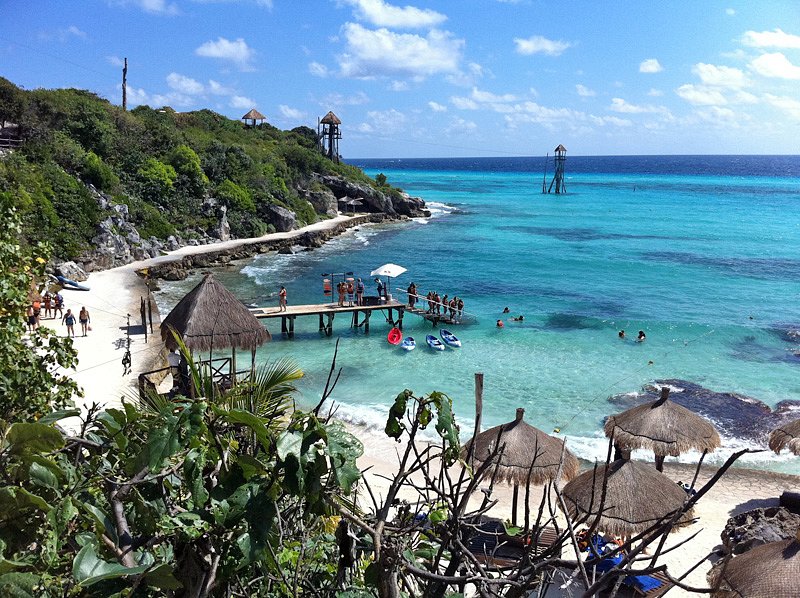
Near Punta Sur, Parque Garrafón is a natural reef park on the rocky southern coast. It is built for snorkelling, kayaking and ziplining above the water, with the reef just offshore. Several tour packages combine the park with the ferry and a buffet, which can be the simplest way to do it.
Renting a golf cart
The classic way to get around Isla Mujeres is by golf cart. Rental stands cluster near the ferry dock in the main town, and a cart lets you loop the whole island at your own pace, stopping at viewpoints, beaches and restaurants along the way. Carts are in high demand in peak season, so it is worth reserving one early in the day.
Reserve a cart: Browse Isla Mujeres golf cart rentals →
Where to eat
The town centre is full of good food. Long-standing favourites include Lola Valentina and Olivia for Mexican and Mediterranean cooking, Mango Café for a famous breakfast, Javi's Cantina for seafood, and Rooster for a busy brunch. For something casual, you can stop at the taco stands along Avenida Hidalgo.
Getting there
Passenger ferries run frequently from Cancún (Puerto Juárez and the Hotel Zone) and take about twenty minutes.
Ferry tickets: Book the Isla Mujeres ferry →
If you would rather stay the night on the calm side of the island, Mia Reef Isla Mujeres sits on its own islet at the northern tip, and Privilege Aluxes is an adults-only resort right on Playa Norte.
A day trip to Cozumel
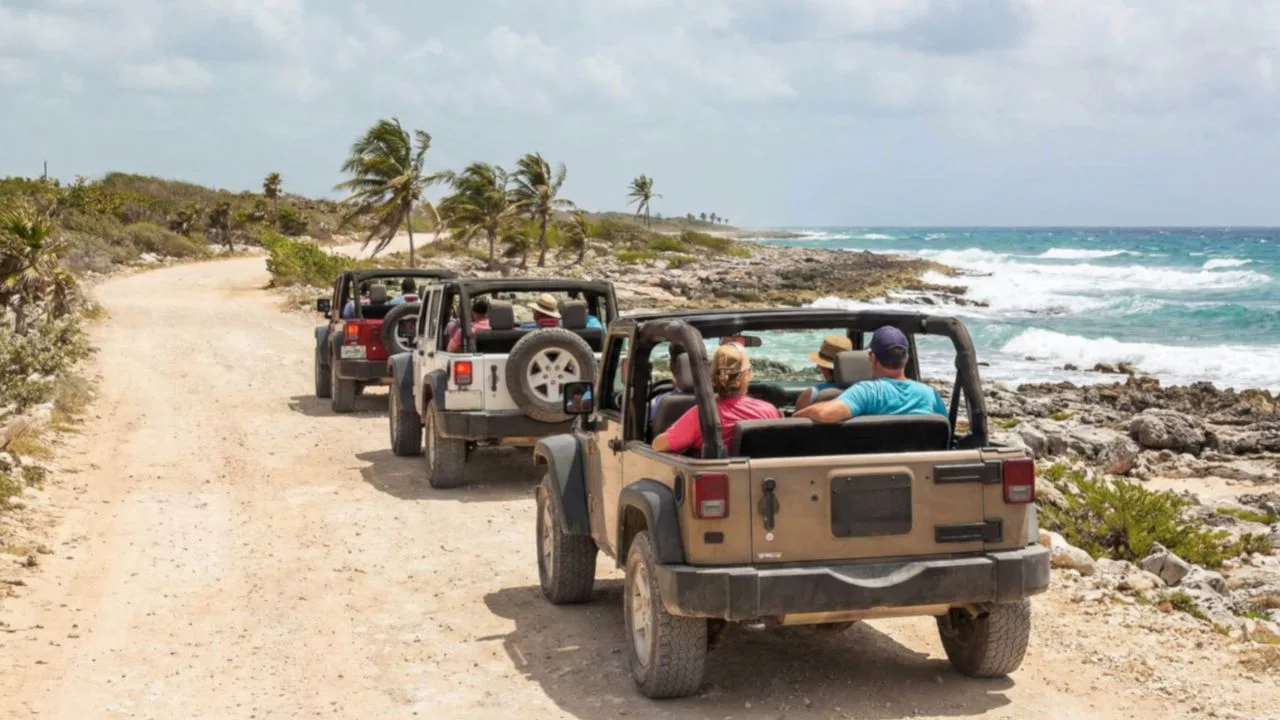
Cozumel is Mexico's largest Caribbean island, reached by ferry from Playa del Carmen. It is world-famous for diving and snorkelling on the Mesoamerican Reef, and its sheltered western coast generally stays clear of sargassum.
Renting a jeep to circle the island
Renting an open-top jeep and driving the loop around the island is the classic Cozumel day. The developed western side has the town, the beach clubs and the dive shops, while the wild, undeveloped eastern coast is all rocky shoreline, surf and near-empty beaches. A full loop with stops takes most of a day.
El Cielo and the reef
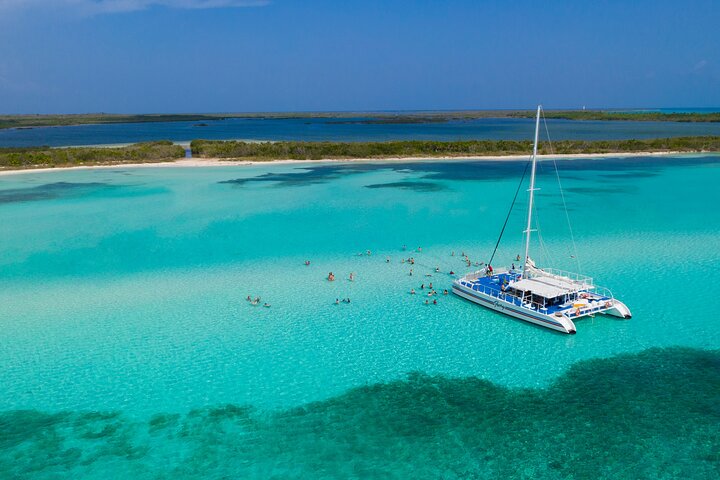
Cozumel's reefs are protected as a national marine park and are among the best in the world. El Cielo, meaning "the sky," is a shallow, brilliant-blue sandbar famous for its resident starfish, reached only by boat and a favourite snorkelling and diving stop. The dive sites of Palancar, Colombia and Santa Rosa are also legendary among scuba divers.
Beaches and beach clubs
The western coast is lined with beach clubs that make an easy base for the day, with loungers, pools, food and watersports. Well-known names include Mr. Sancho's, Nachi Cocom, Playa Mia and Money Bar. For quieter sand, head south to Playa Palancar and Playa San Francisco, or visit the Punta Sur Eco Park at the island's southern tip, with its lighthouse, lagoon and reef.
Where to eat
In San Miguel, the island's town, top tables include Kinta and Kondesa for modern Mexican cooking, La Cocay for a refined dinner, and Buccanos for a beachfront lunch. The seafront malecón is lined with more casual options.
Getting there
Ferry tickets: Book the Cozumel ferry →
To stay on the island's calm leeward coast, Presidente InterContinental Cozumel has its own house reef, and Cozumel Palace sits right on the waterfront in town.
The best cenotes
Cenotes are natural freshwater sinkholes in the limestone, formed where the rock collapsed to reveal the underground rivers that run beneath the whole peninsula. The water is clear and cool all year, the Maya considered them sacred, and because they are inland and freshwater they are completely free of sargassum. There are thousands of them. These are eight of the most rewarding.
1. Gran Cenote (Tulum). One of the most popular near Tulum, a mix of open pools and shaded caverns with turtles and small fish, ideal for an easy first snorkel.
2. Cenote Dos Ojos (Tulum). Two linked sinkholes, the "two eyes," with crystal water and dramatic cave formations. A world-class snorkel and cave-dive site.
3. Cenote Ik Kil (near Chichén Itzá). A vast round open well with vines and waterfalls cascading down to the water, perfect to pair with a visit to the ruins.
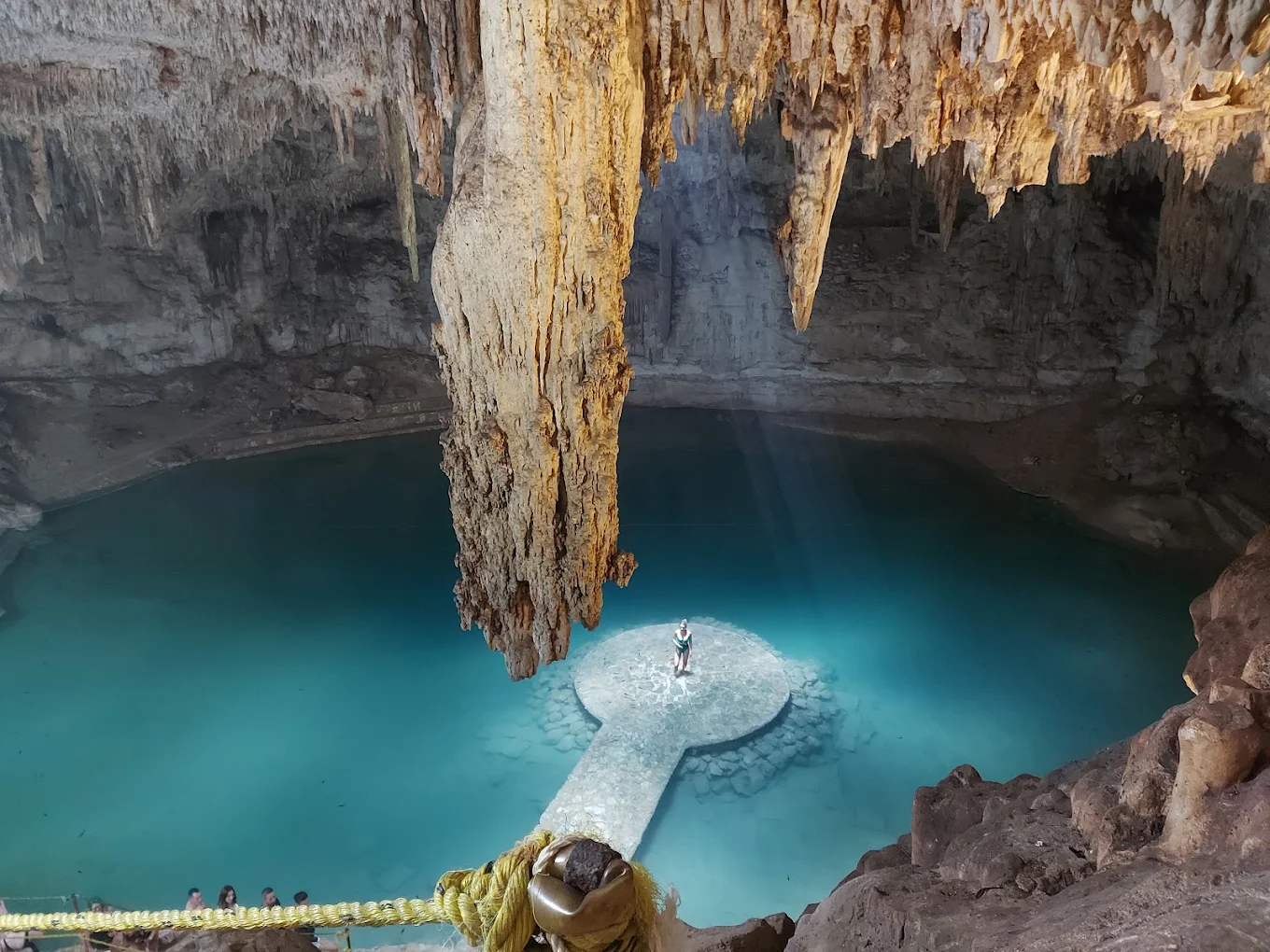
4. Cenote Suytun (Valladolid). Famous for the round stone platform and the single beam of light that drops through the ceiling onto it, one of the most photographed spots in the Yucatán.
5. Cenote Cristalino (Playa del Carmen corridor). An open, accessible cenote along the highway with a low cliff to jump from and clear, swimmable water.
6. Cenote Azul (Playa del Carmen corridor). A large, shallow, family-friendly natural pool with areas for small children and deeper sections for jumping.
7. Casa Cenote / Cenote Manatí (Tulum). An open, winding mangrove channel connected to the sea, unusual for its mix of fresh and salt water and easy snorkelling.
8. Cenote Zací (Valladolid). A large cenote right in the town of Valladolid, half-open and easy to reach without a tour, a good stop on the way inland.
Book a cenote tour: Browse cenote tours →
Lagoons
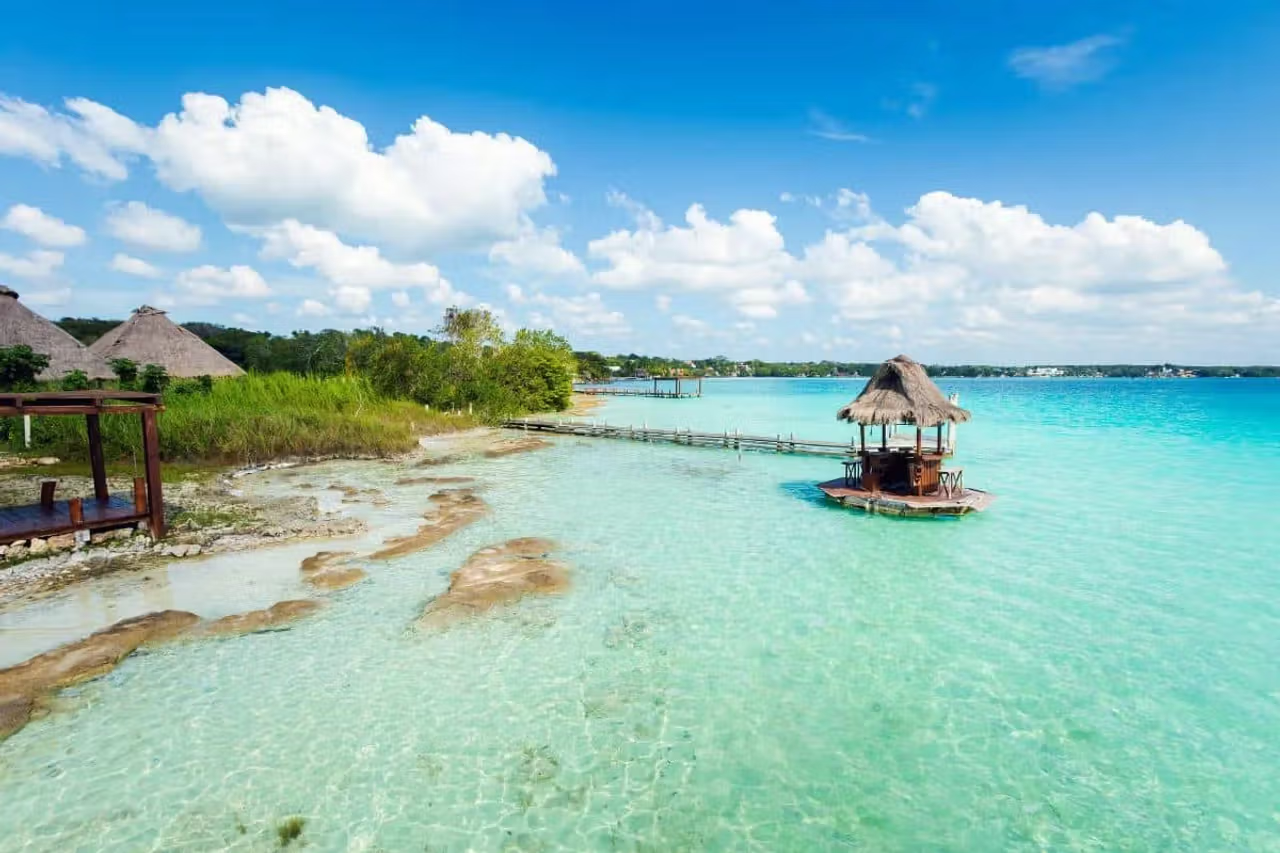
For open water without the ocean, the region's freshwater lagoons are perfect, and never see sargassum.
Bacalar, the Lagoon of Seven Colors, is the standout: a long freshwater lagoon in southern Quintana Roo famous for its bands of blue and turquoise over a white limestone bed. It is a few hours south of the Riviera Maya and well worth an overnight stay. On the lagoon shore, Mía Bacalar Luxury Resort & Spa and the adults-only Habitas Bacalar both sit directly on the water.
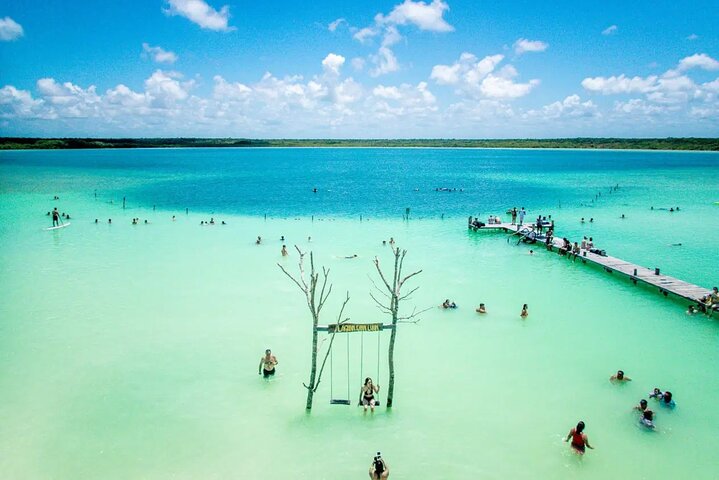
Closer in, Laguna Kaan Luum near Tulum is a striking turquoise lagoon ringed by shallows with a deep cenote at its centre, easy to reach on a day trip. Further south, the lagoons inside the Sian Ka'an reserve offer another freshwater escape.
See the lagoon: Browse Bacalar tours →
Nature and adventure parks
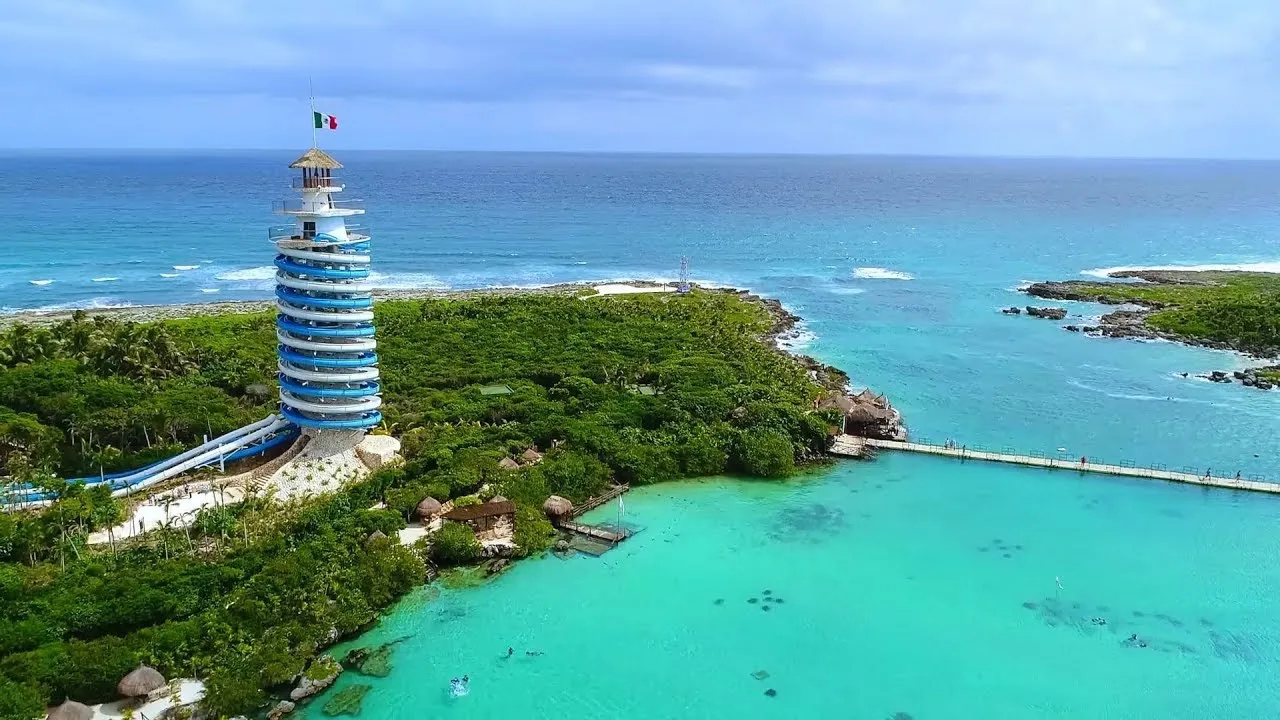
The Riviera Maya has a remarkable collection of nature and adventure parks, most of them built around real cenotes, rivers and jungle. They are an excellent rainy-day or sargassum-day plan because the swimming is in clear inland water.
The Grupo Xcaret parks
The best-known parks belong to one family of brands, each with a different theme:
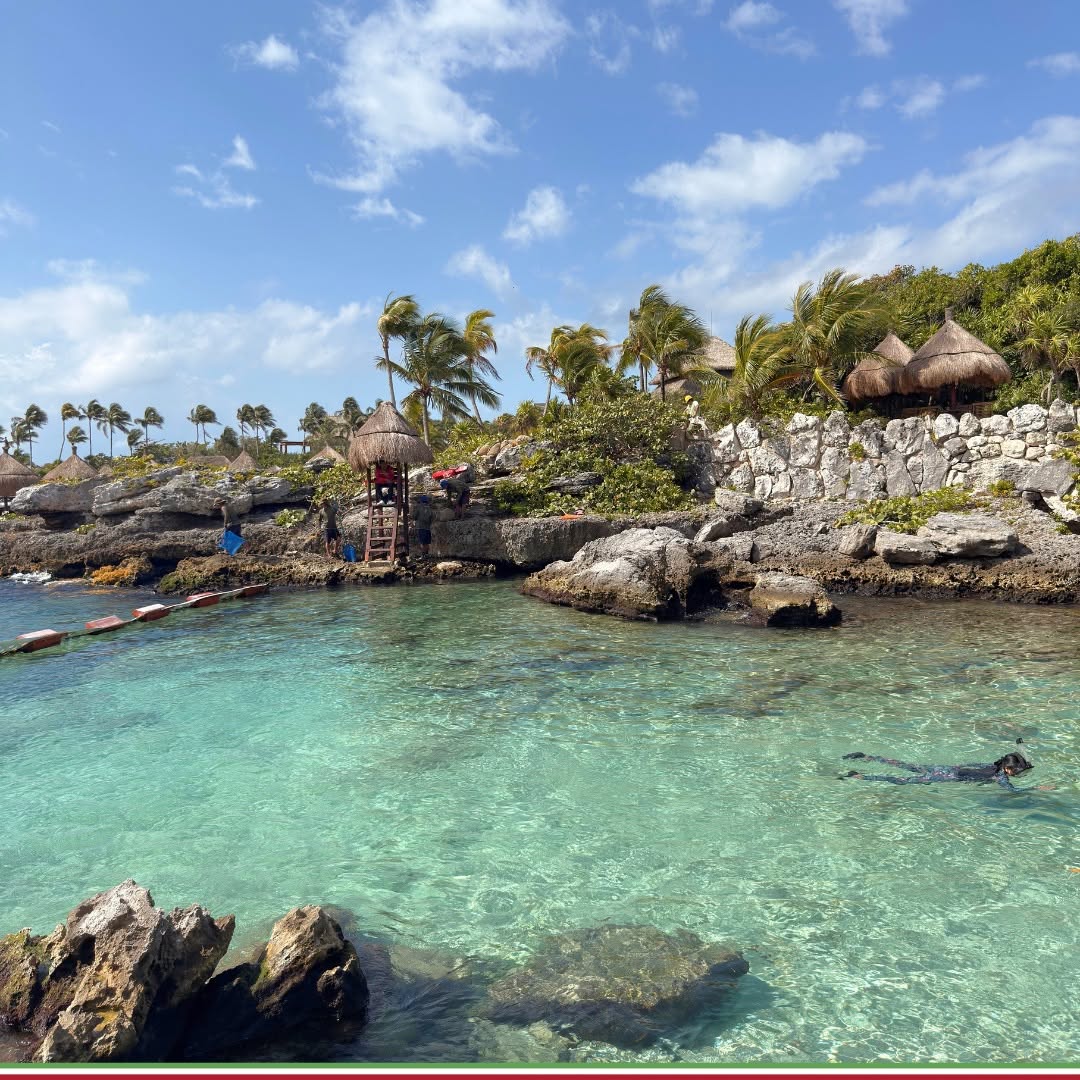
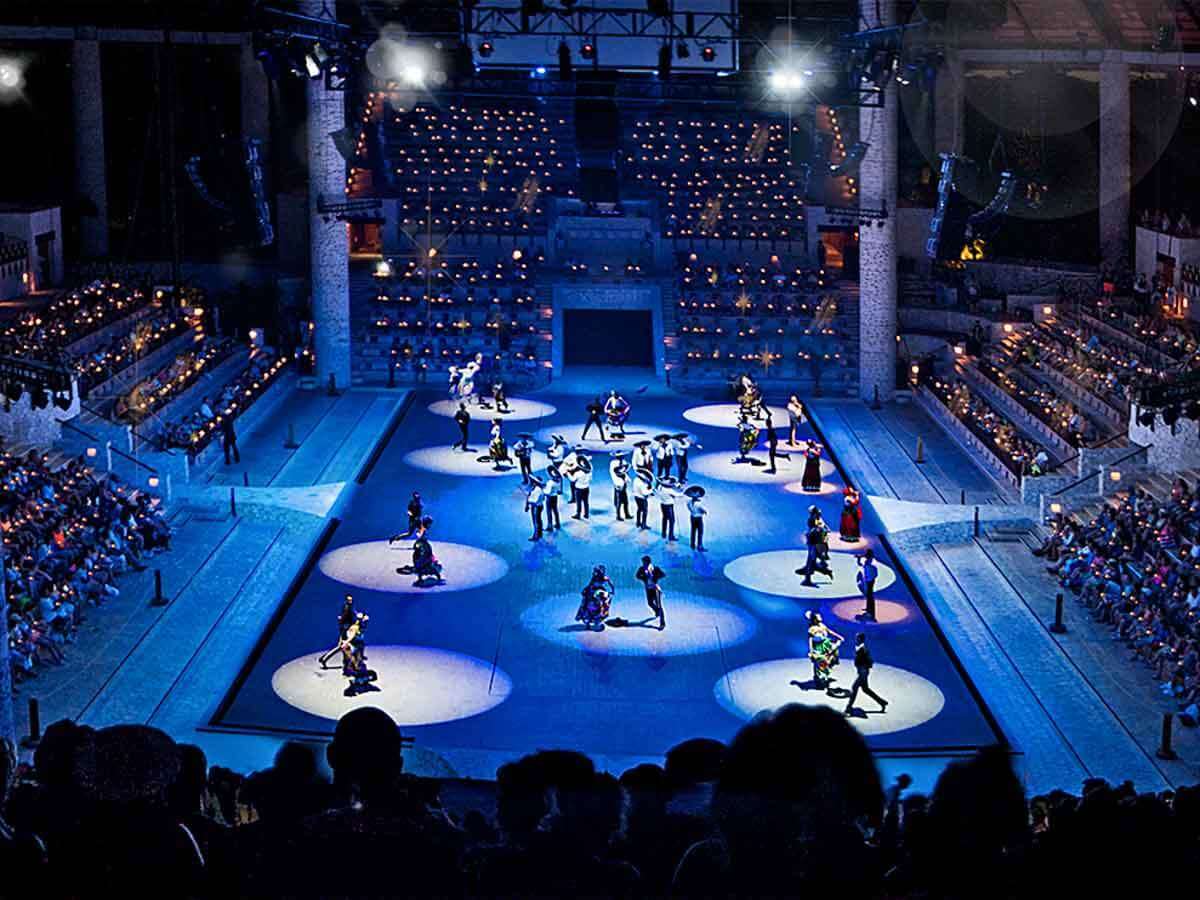
- Xcaret (near Playa del Carmen): the flagship nature park, with underground rivers, a beach, wildlife, cultural exhibits and the spectacular evening show, Xcaret México Espectacular, which traces Mexican history and folklore with a cast of hundreds.
- Xel-Há: a huge natural inlet run as an all-inclusive snorkel park, with a lazy river, cliff jumps and the spiral lookout tower.
- Xplor: pure adventure, with zip-lines, amphibious vehicles and rafting through underground rivers.
- Xenotes: a guided tour of four different cenotes with kayaking, ziplines and rappelling.
- Xavage (Cancún): high-adrenaline rafting, jet boats and off-road circuits.
- Xoximilco: a festive night of food, music and mariachi on decorated trajinera boats.
Book the parks: Xcaret tickets → · Xel-Há tickets → · Xplor tickets →
Other parks and adventures
Beyond the Xcaret group, Río Secreto is a guided walk and swim through a stunning underground river and crystal cave near Playa del Carmen. Selvática offers ziplines, ATVs and cenote swims in the jungle near Puerto Morelos, and Aktun Chen combines a dry cave, a cenote and a nature park between Akumal and Tulum.
Book it: Río Secreto tours → · Selvática adventures →
Nightlife

When the sun goes down, the coast has some of the best-known nightlife in Latin America. The headline act is Coco Bongo, a high-energy show-club mixing live performances, acrobatics, tribute acts and confetti, with branches in both Cancún and Playa del Carmen. Tickets are usually open bar, and it is an experience as much as a club.
Book tickets: Browse Coco Bongo tickets →
In Cancún, the Hotel Zone party strip around Punta Cancún holds Mandala, The City, Dady'O and Señor Frog's. In Playa del Carmen, the action is around Calle 12 and Fifth Avenue, with La Vaquita, Mandala, Santito and a long row of bars and rooftops like Clandestino and Santino. In Cozumel, the scene is smaller and more relaxed, centred on the waterfront with spots like Tiki Tok, Woody's and La Internacional Cervecería.
Wildlife and nature reserves
The peninsula has a wealth of protected land and gentle animal encounters, a good fit for families and for anyone who would rather be in nature than at a club.
- Sian Ka'an Biosphere Reserve (south of Tulum): a vast UNESCO World Heritage wetland of lagoons, mangroves and reef, explored by boat with a chance to drift the natural channels and spot birds, turtles and dolphins.
- Isla Contoy (north of Isla Mujeres): a strictly protected bird sanctuary island, visited on small-group day tours, often combined with snorkelling at the Ixlaché reef.
- Akumal Monkey Sanctuary (near Akumal): a rescue centre where you can meet spider monkeys, macaws and other rescued animals up close.
- Crococun Zoo (Puerto Morelos): a small interactive zoo focused on crocodiles, with guided hands-on visits.
- Punta Sur Eco Park (Cozumel): a coastal reserve with a lighthouse, a crocodile lagoon, beaches and reef.
- Yum Balam / Holbox (north coast): the reserve around Isla Holbox, known for its calm shallows and, in summer, whale-shark encounters offshore.
Explore by bicycle
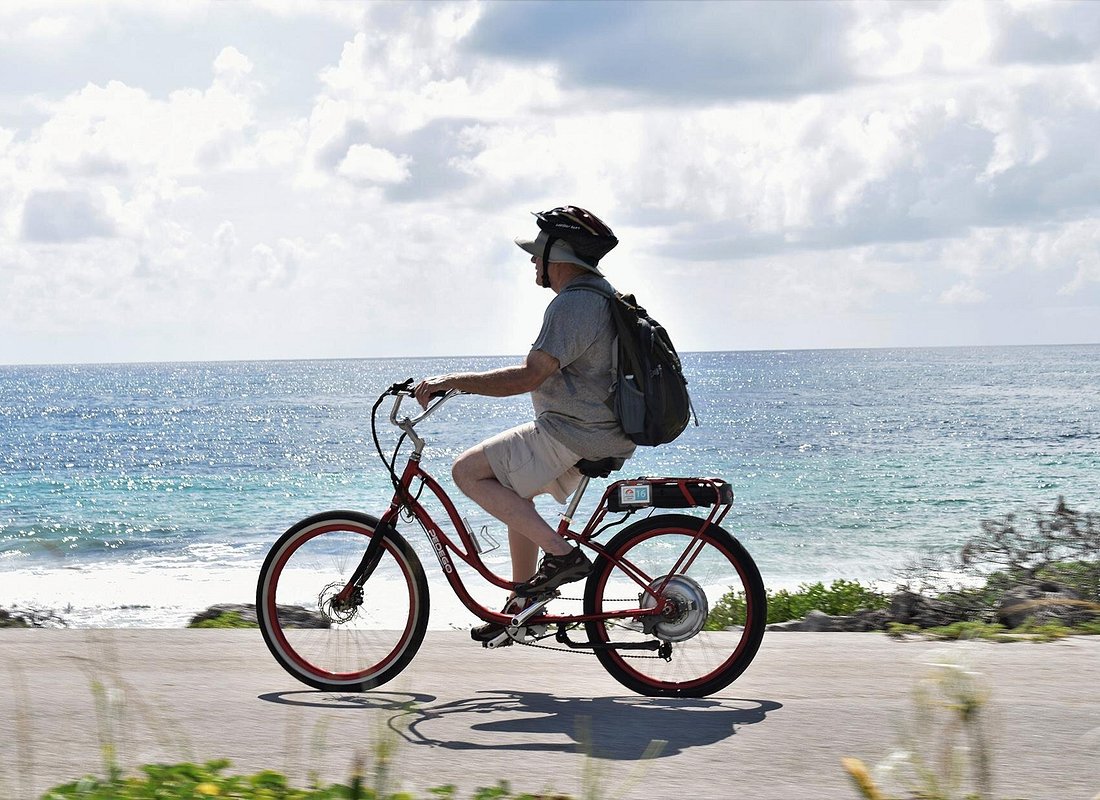
Cycling is one of the best ways to see the flat coastline, and several places are made for it. Cozumel has a coastal bike path along the western shore, and the quiet eastern road is popular with road cyclists. Isla Mujeres is small enough to circle by bike. In Cancún, a dedicated cycle path runs the length of the Hotel Zone, and the Tulum hotel road has bike lanes connecting town, beach and ruins. For something different, you can rent a bicycle to explore the wide jungle paths between the temples at the Cobá ruins.
Book it: Browse Cozumel cycling tours →
A trip to Mérida
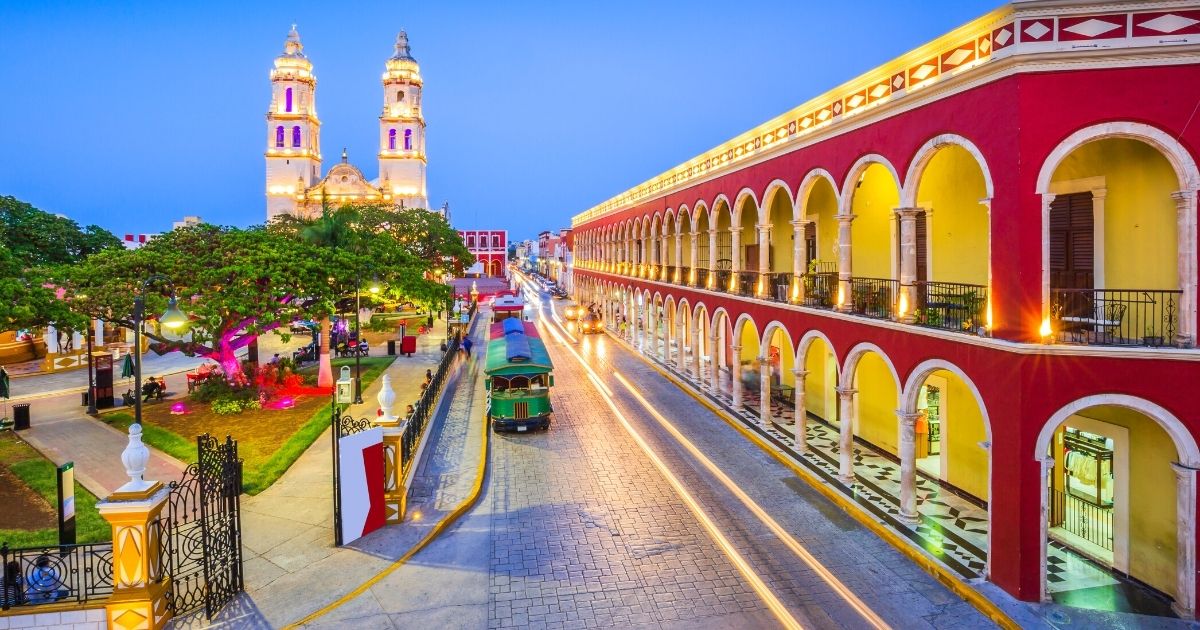
For a complete change of scene, the colonial capital of Mérida is a few hours west of Cancún. The largest city in the Yucatán, it is known for its grand Paseo de Montejo boulevard, lively central plaza, Maya and colonial history, and an exceptional food scene. It is also consistently ranked as one of the safest cities in Mexico, which makes it a relaxed base for exploring inland.
Mérida is the gateway to some of the peninsula's greatest sights, including the ruins of Uxmal, the Chichén Itzá complex, the colourful town of Valladolid, and countless quiet cenotes. A day or two there pairs naturally with a visit to the ruins and a swim in a cenote on the way.
Getting there

The easiest way to reach Mérida without renting a car is the ADO bus, the region's reliable long-distance coach line, with frequent air-conditioned services from Cancún and Playa del Carmen. Many travellers also use ADO for day trips to Chichén Itzá and Valladolid.
Plan the trip: Browse Mérida and Uxmal tours →
Before you head out: check the Forecast page for today's satellite outlook, then open the live beach map to see exactly which beaches are clear right now. A sargassum day is the perfect excuse to see everything else this coast has to offer.
Some links to hotels, tours and activities are affiliate links. If you book through them, Sargazo Watch may earn a small commission at no additional cost to you. This helps keep the live map and forecast free to use.